Thailand Advises Citizens to Prepare Emergency Kits for 72 Hours
The Thai government is advising citizens to prepare emergency backpacks with supplies sufficient for at least 72 hours. The recommendation, issued by the Department of Disaster Prevention and Mitigation (DDPM), aims to ensure families can stay safe during the initial days of a crisis while awaiting assistance.
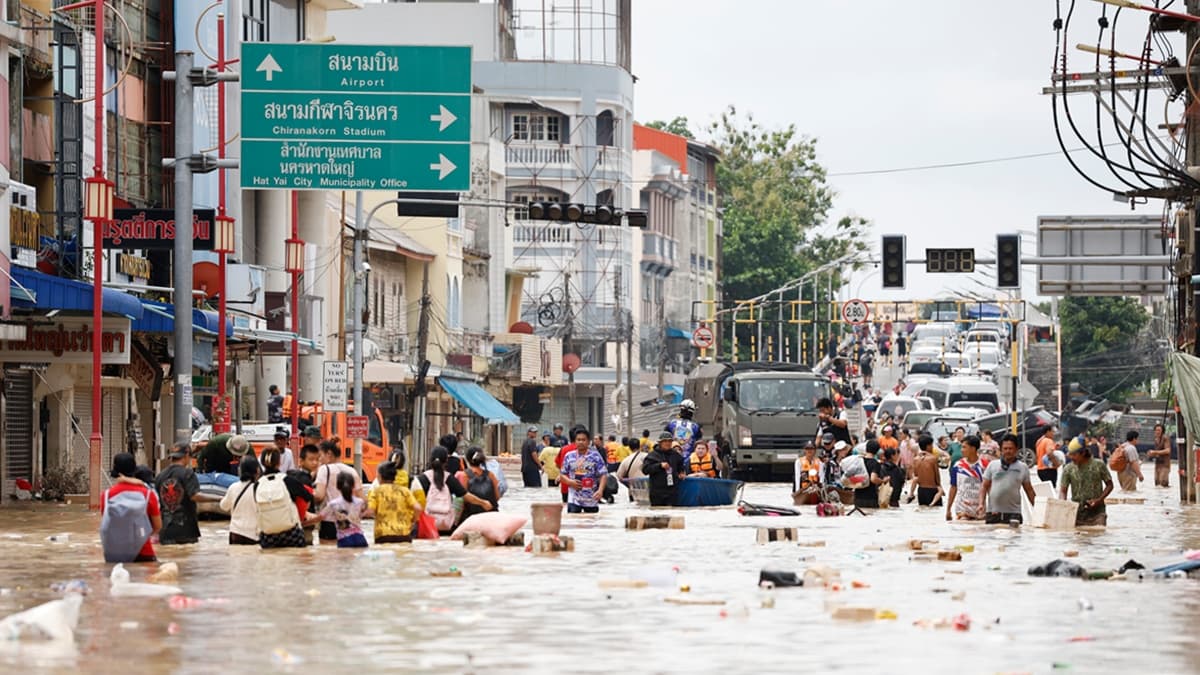
The Thai government is advising citizens to prepare emergency backpacks with supplies sufficient for at least 72 hours. The recommendation, issued by the Department of Disaster Prevention and Mitigation (DDPM), aims to ensure families can stay safe during the initial days of a crisis while awaiting assistance.
This measure comes amid international concerns over conflicts in the Middle East, prompting various countries to recommend domestic stockpiling of food, water, and medicine.
Despite this context, authorities emphasize that Thailand is not among the countries directly exposed to the mentioned risks. The guidance is preventive and also applies to natural disasters and other emergencies.
Why Are the First 72 Hours Important?
According to Nirat Pongsitthithavorn, the DDPM's director-general, the first three days following a disaster are considered a critical period.
This is because affected residents may need to fend for themselves while authorities mobilize assistance.
The backpacks are intended for international conflicts but also for sudden floods, landslides, earthquakes, disease outbreaks, fires, civil disturbances, and other emergencies.

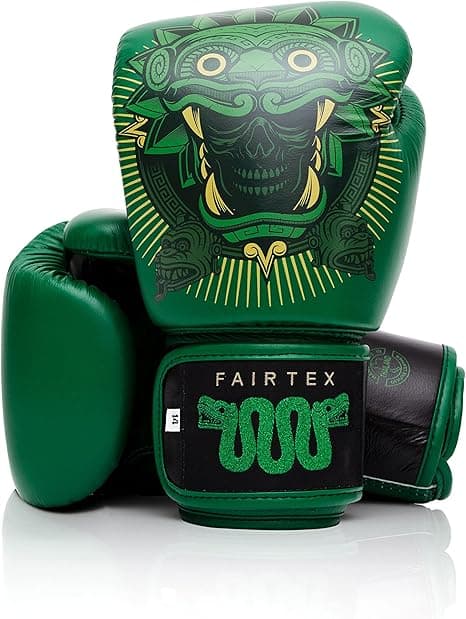
Fairtex BGV1 Muay Thai Gloves
Perfect fit: Fairtex boxing glove 2 pair set is ergonomically designed with a unique contoured and tight-fit hand compartment designed to provide a secure and snug fit makes it easy for men & women.
What Should Be Included in an Emergency Backpack?
The DDPM has organized its recommendations into six categories of essential items:
- Medications and First Aid: first aid kit, basic medications, ongoing prescription medications, and medical records.
- Water and Food: at least three liters of potable water per person per day, along with ready-to-eat meals, energy snacks, and special foods for children, the elderly, and those with medical needs.
- Communication and Tools: mobile phone, portable charger, flashlights, extra batteries, battery-operated radio, whistle, candles, lighters, notebook, pens, multi-tool, scissors, ropes, and tape.
- Documents and Money: copies of identification documents, household registration, health insurance cards, driver's license, bank books, and land deeds, stored in waterproof bags, along with spare keys and cash in case electronic payment systems become unavailable.
- Personal Hygiene: paper towels, toothbrushes and toothpaste, hygiene products, and trash bags.
- Clothing and Shelter: extra clothing, raincoats, hats, blankets, and sleeping bags.
Backpack Should Be Ready for Possible Evacuation
According to Nirat, each family should keep a backpack ready for immediate evacuation, whether the threat is a natural disaster, cyber warfare, or international conflict.
He recommends a lightweight, waterproof backpack stored in an easily accessible location, with items regularly checked for damage and expiration dates.
The DDPM also reported that it has disaster response equipment, emergency personnel, and early warning systems, including Cell Broadcast alerts, and will continue to coordinate with other government agencies on response plans and assistance for the population.
Source: Khaosod English, report by Khonphong Thanatphongjira, published on November 3, 2026.
Muay Thai Expert — independent editorial. Affiliate links on product pages are disclosed.